

SHAKTI PROJECT
Sangini Saheli's flagship initiative working directly with women across health, livelihood, education, and community leadership.
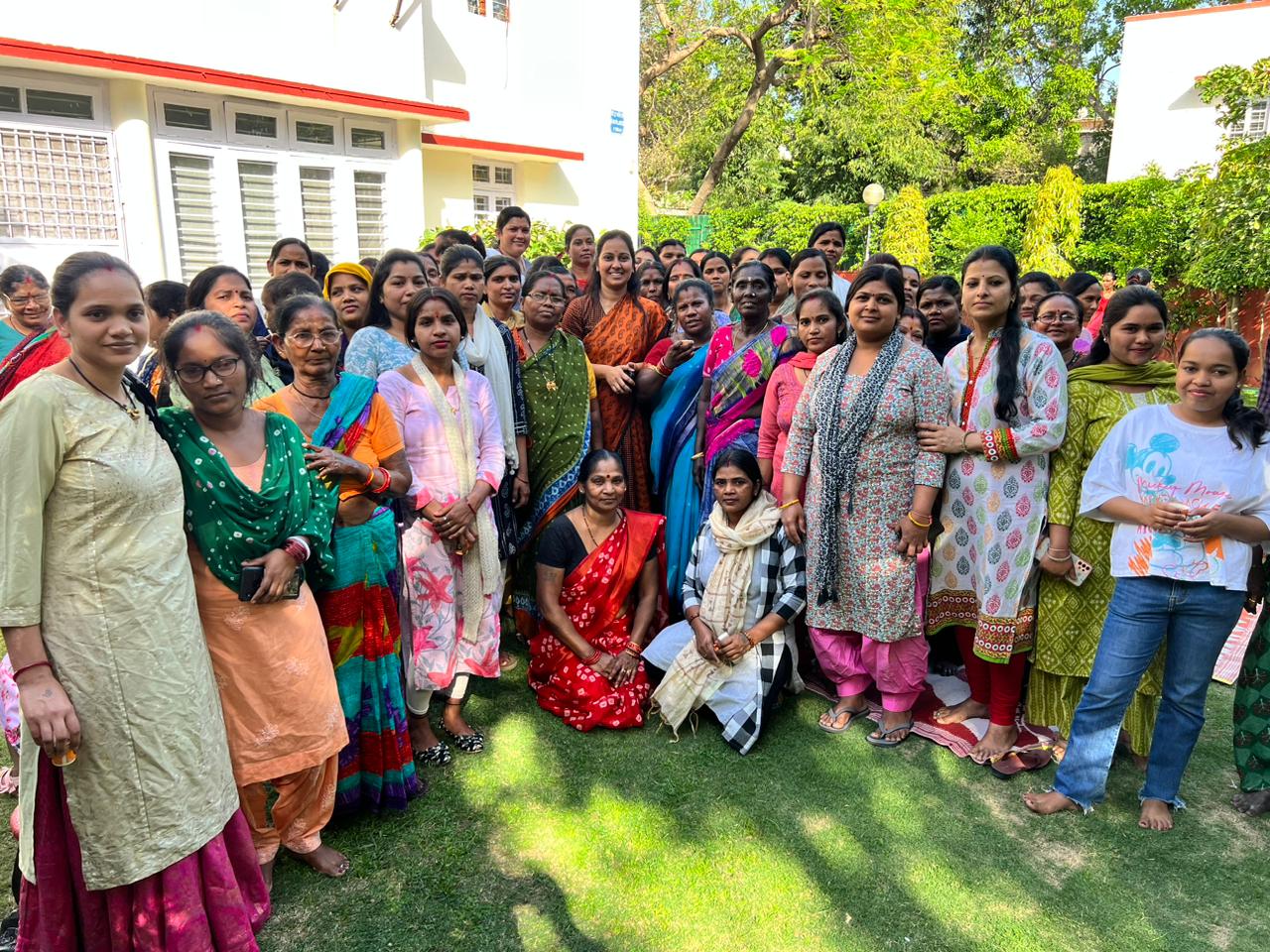
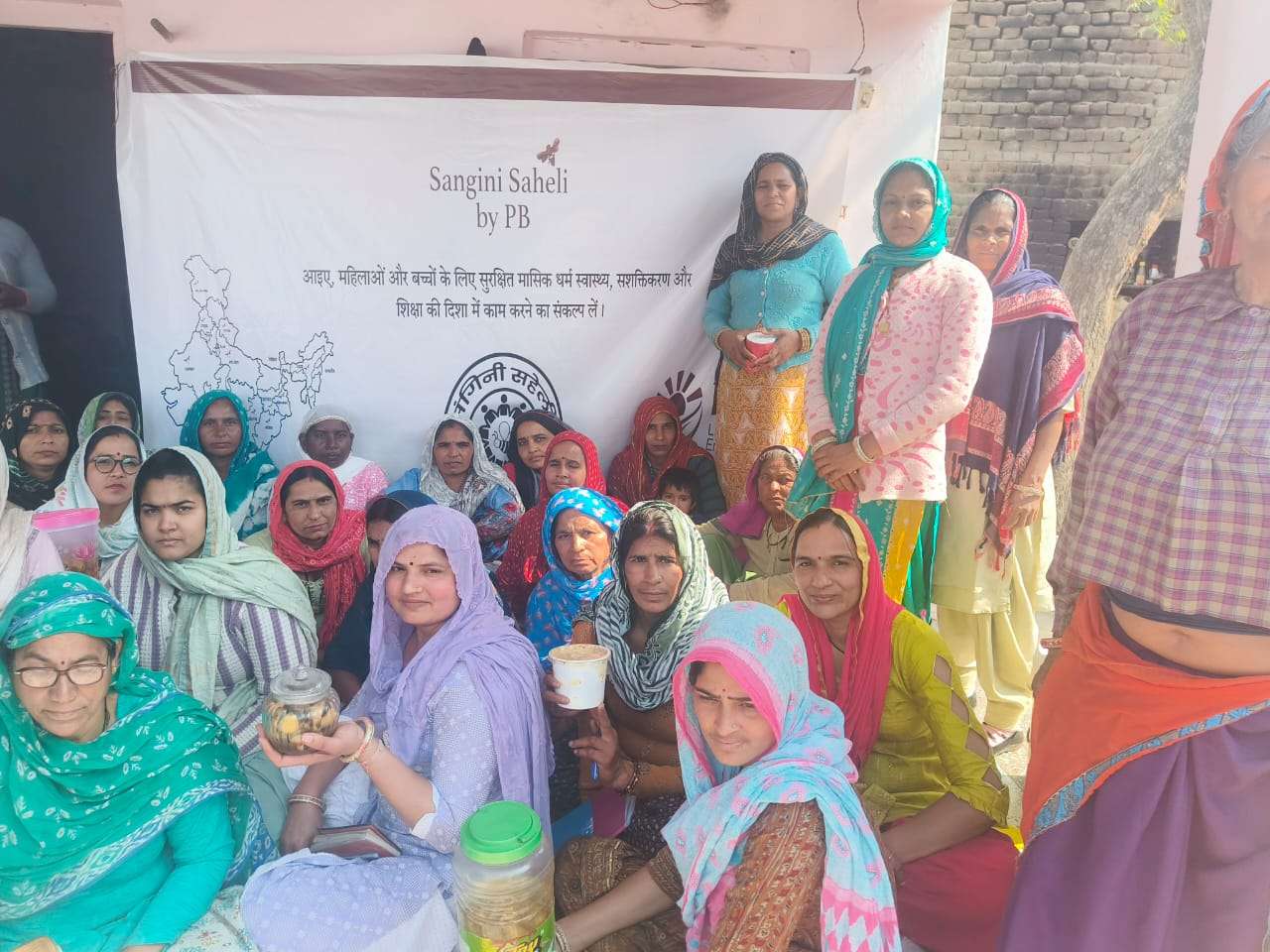
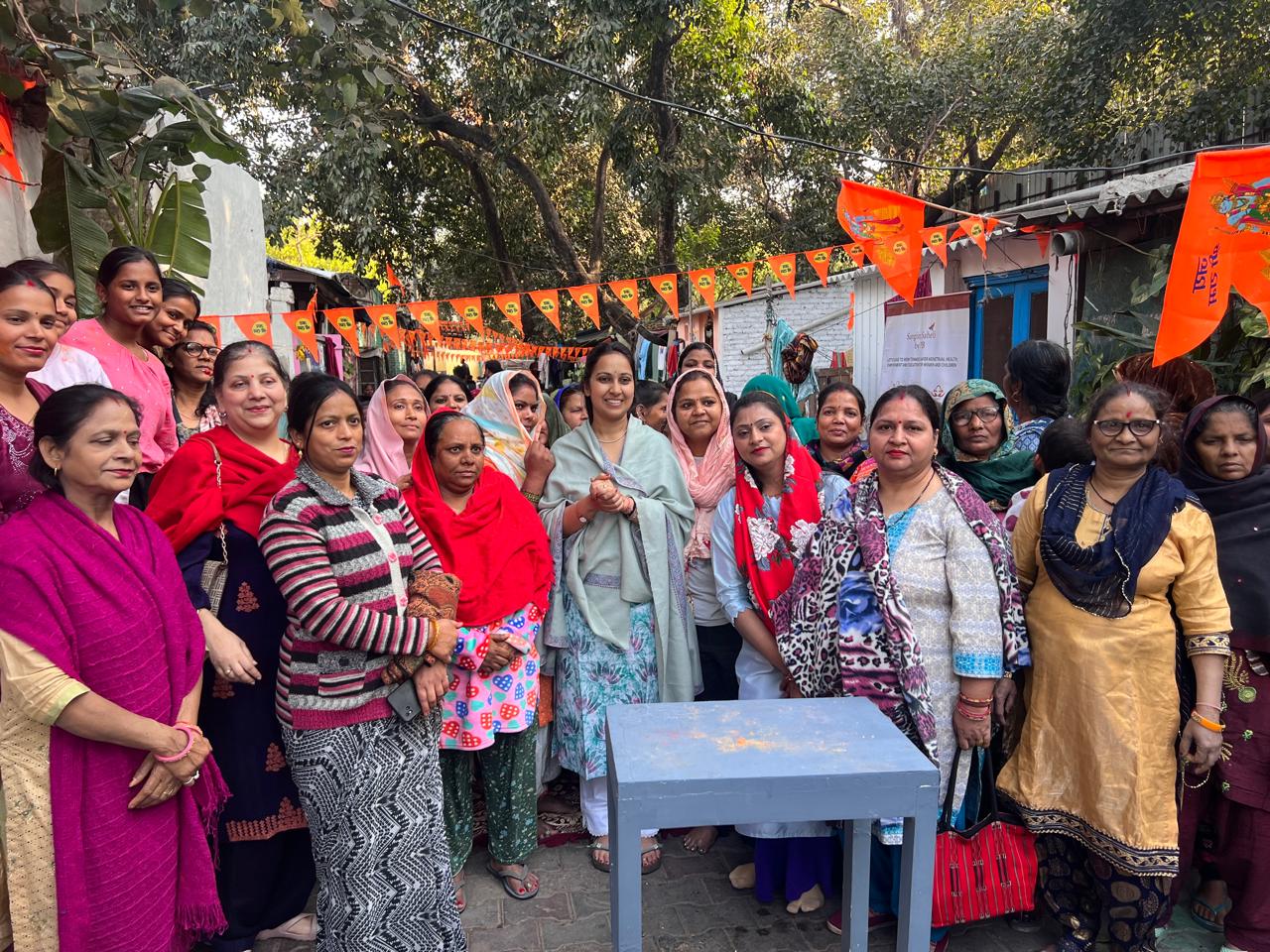
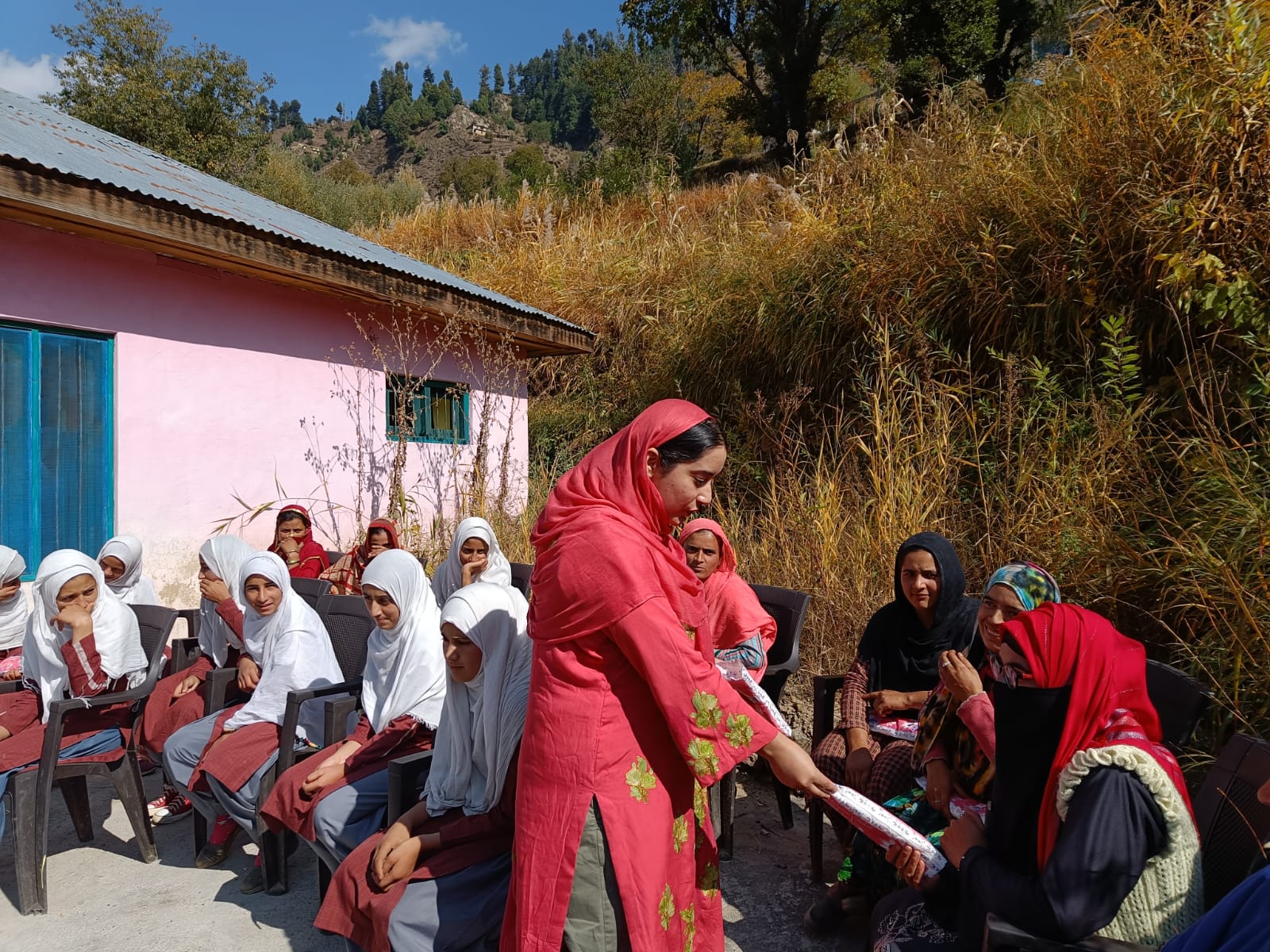
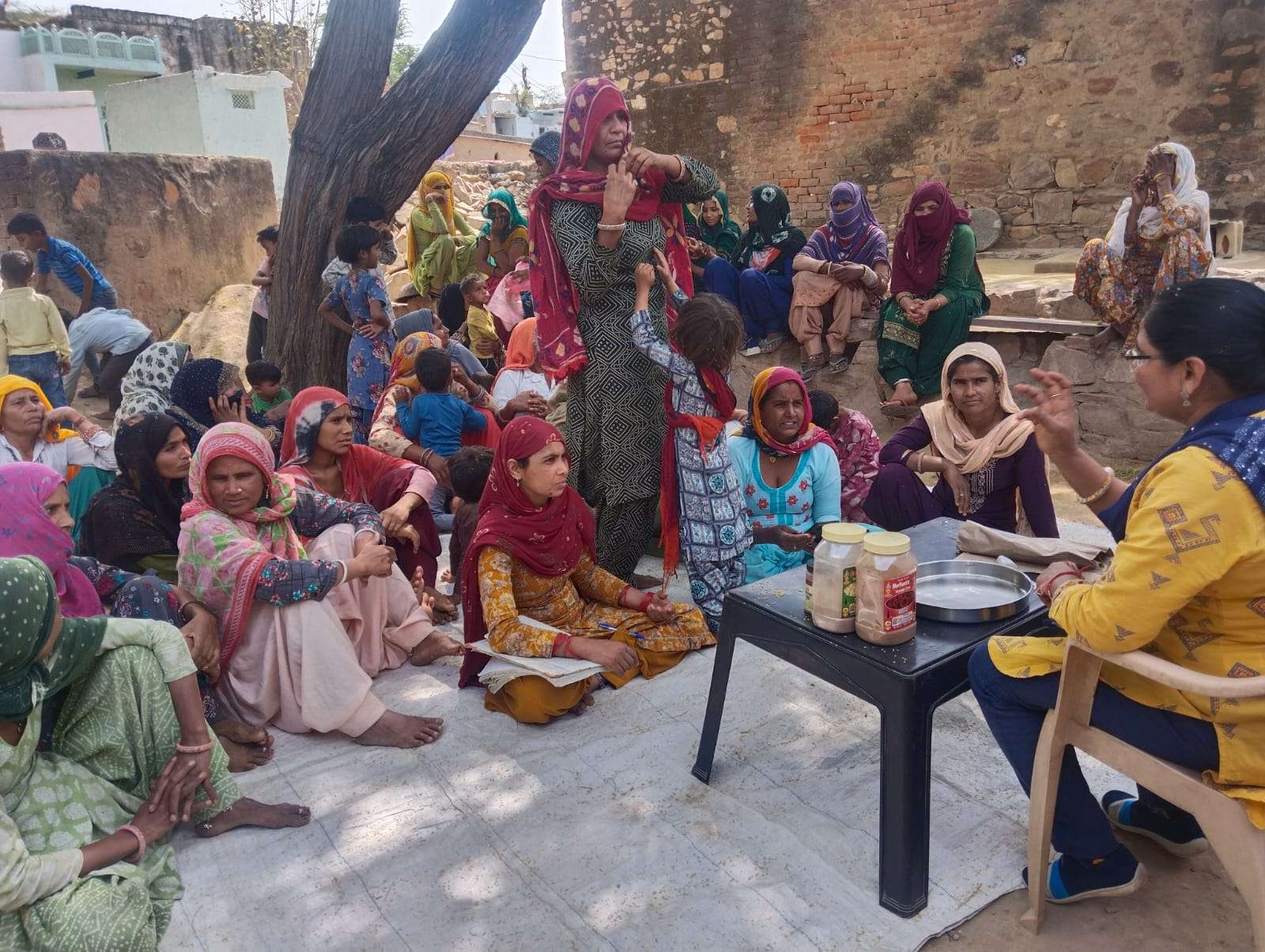
Shakti operates on the ground, in villages, semi-urban neighbourhoods, schools, and self-help groups across multiple states. The work is practical, consistent, and built around what women in underserved communities actually need access to.
About The Shakti Project

Shakti was created to address the barriers that continue to limit women in underserved communities: lack of health awareness, limited income opportunities, restricted access to education, and the absence of local support systems.
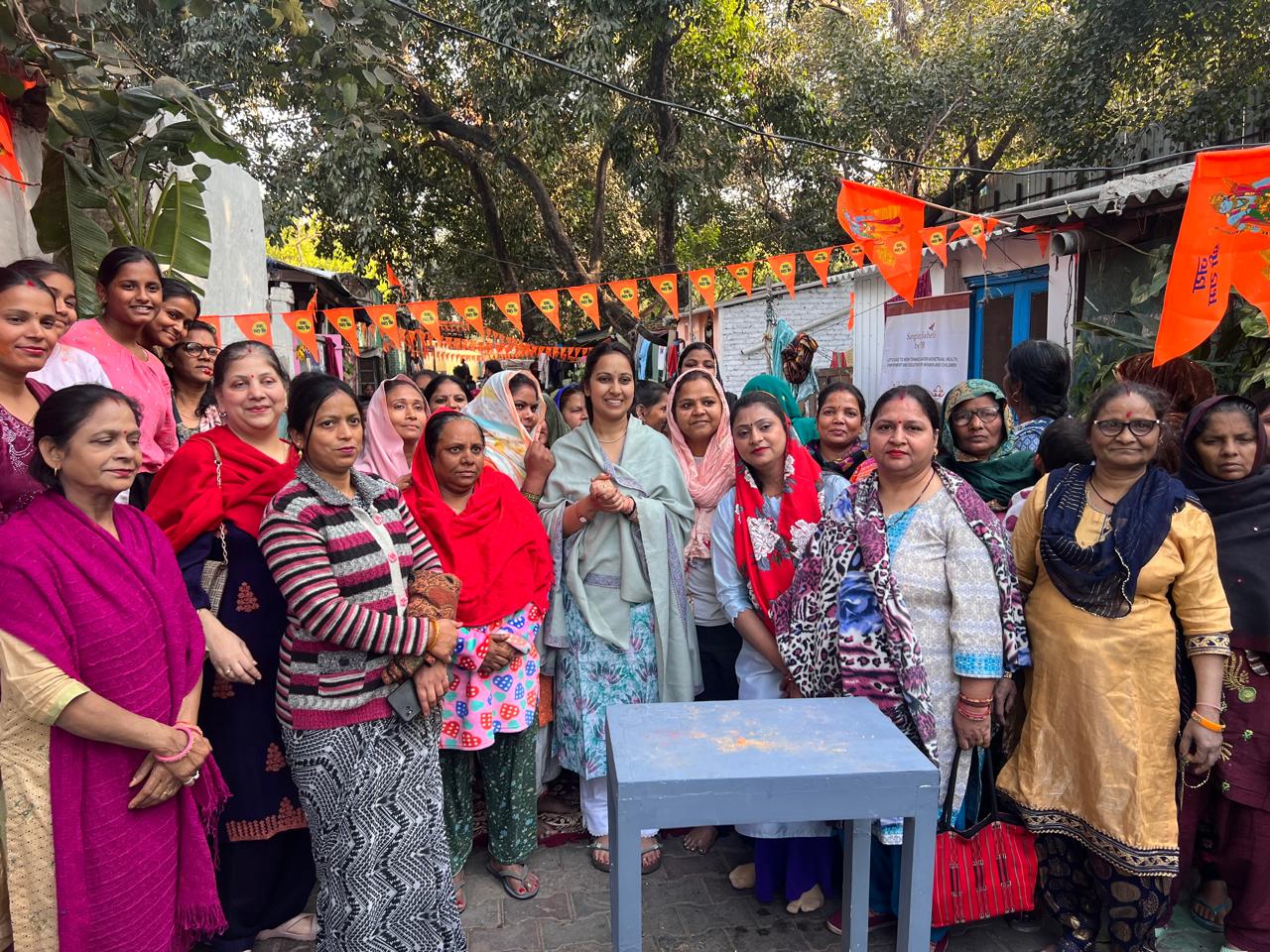
The project works through self-help groups, skill training centres, community workshops, and women-led outreach networks. It has expanded across Delhi, Rajasthan, Haryana, Uttar Pradesh, and several other states through sustained field presence and institutional partnerships.
Core Areas of Work
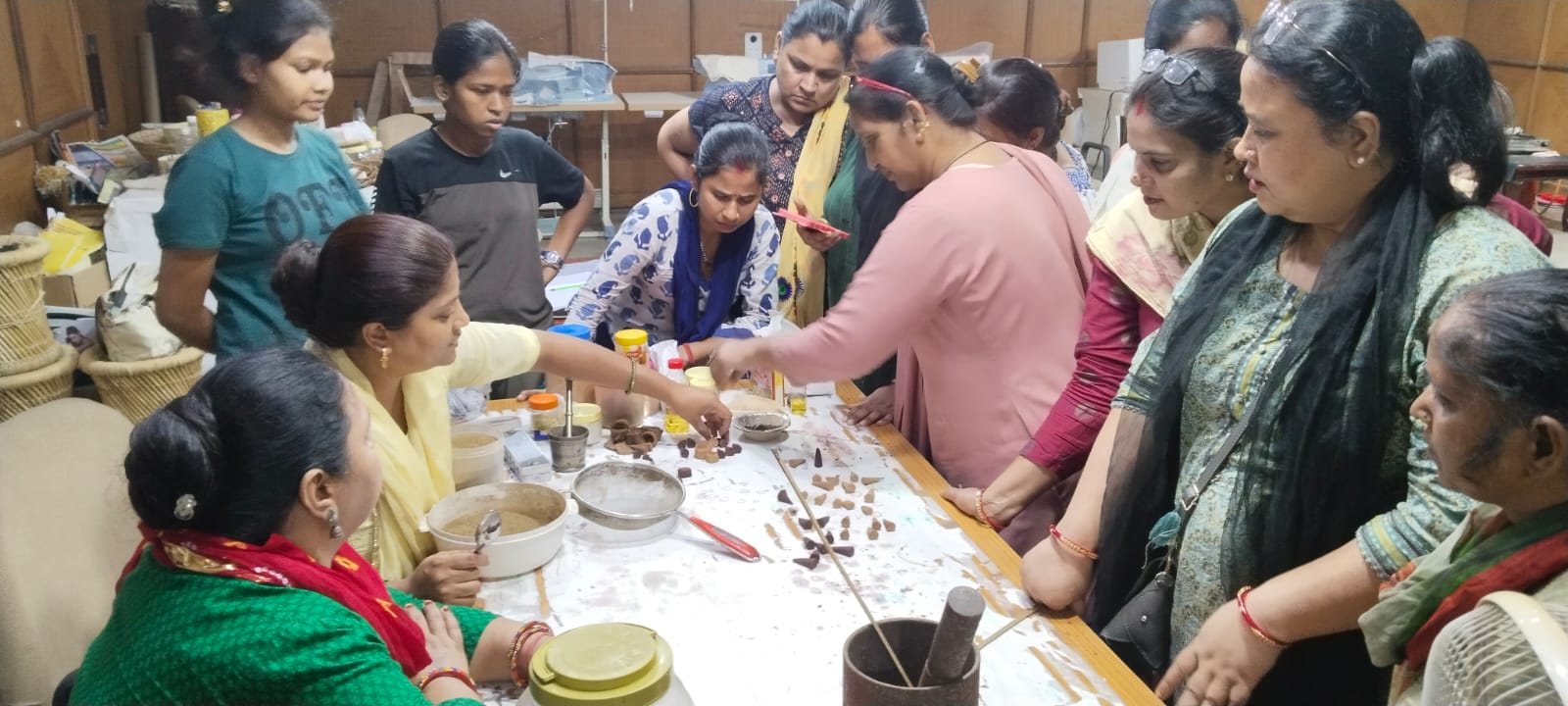
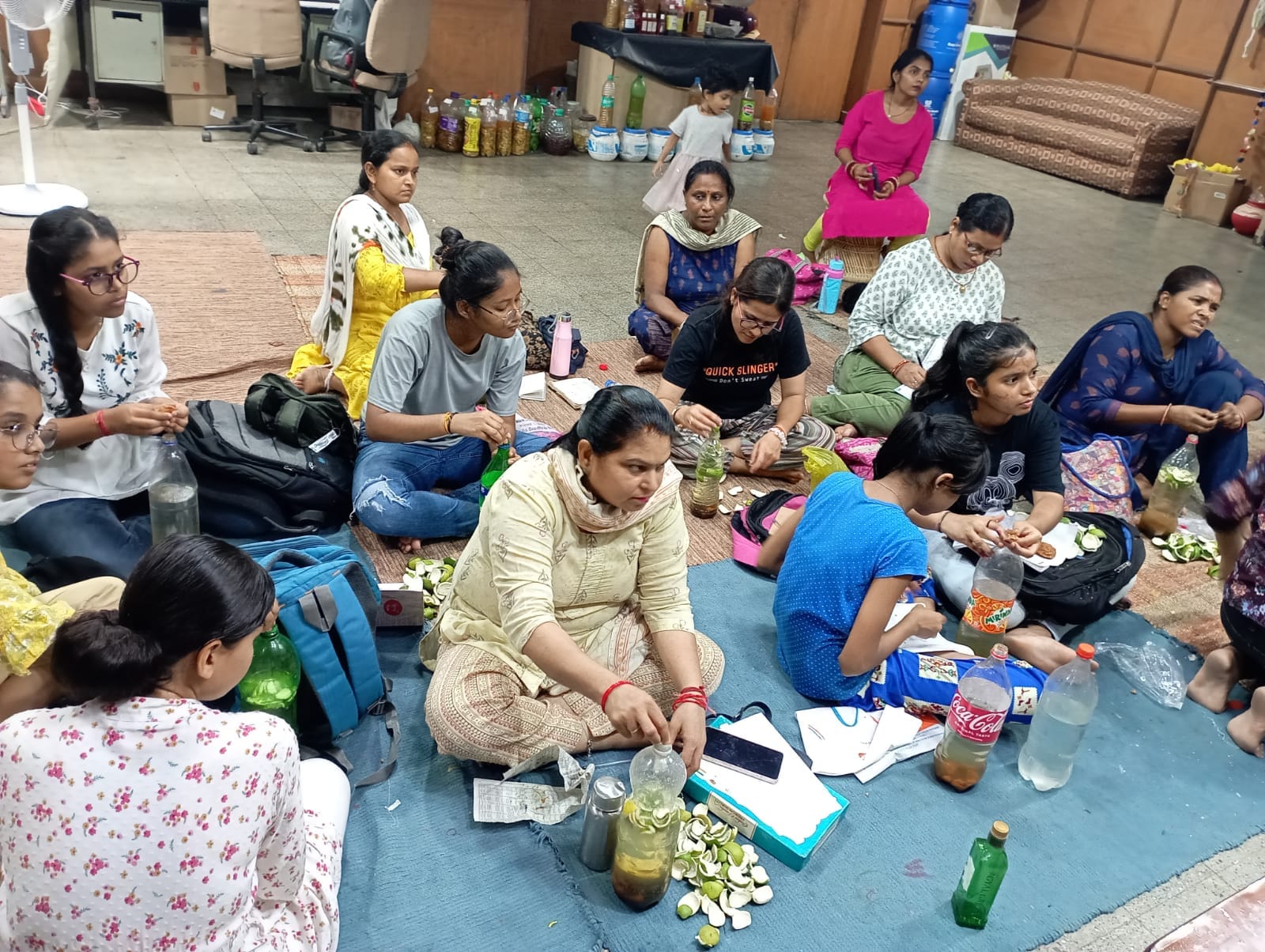
- Livelihood and Skills Training programs for first-generation earners, homemakers, and women building independent income. Focus areas include tailoring, embroidery, handmade sanitary pad production, bioenzyme making, and SHG-based entrepreneurship models.
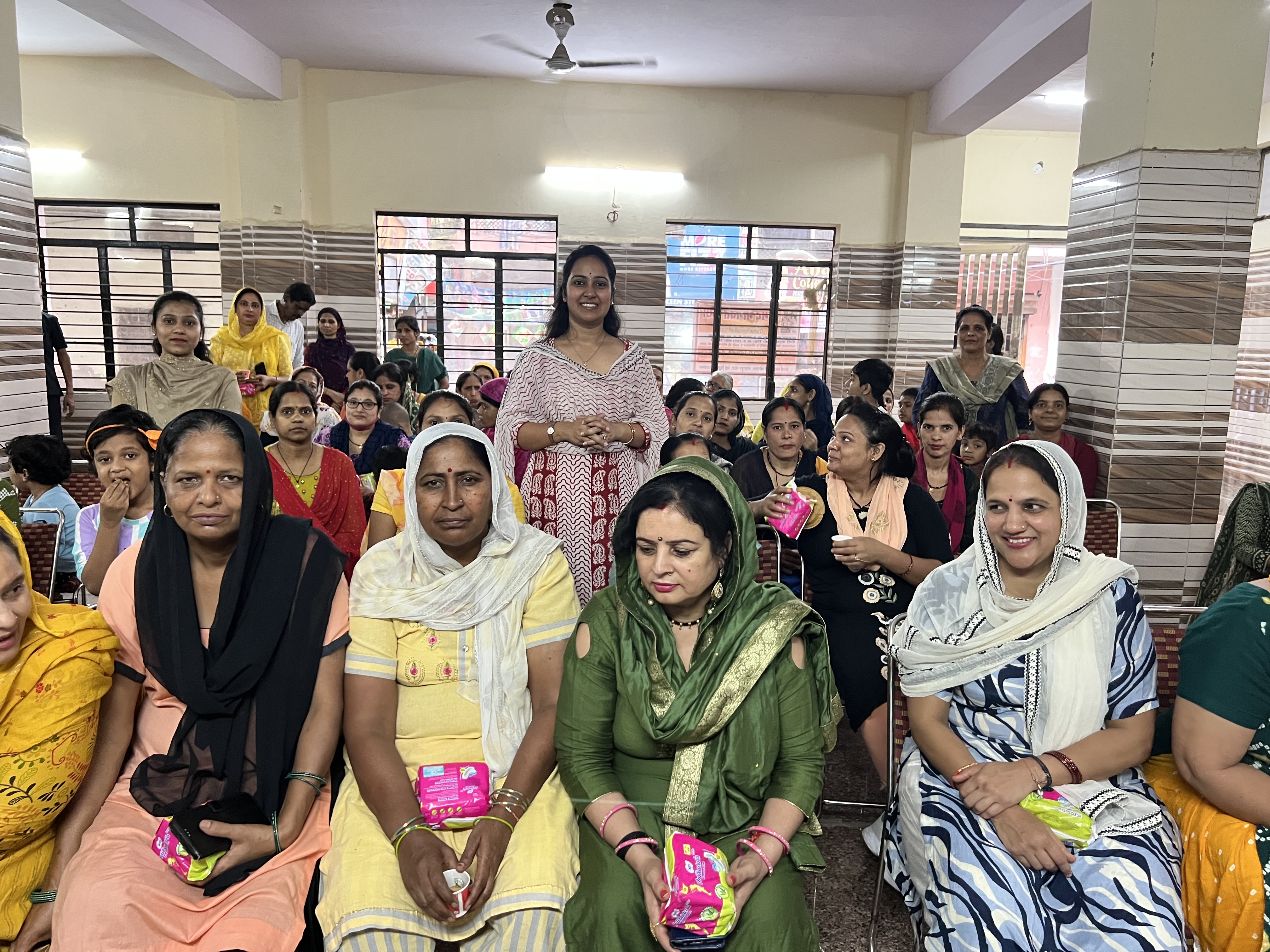
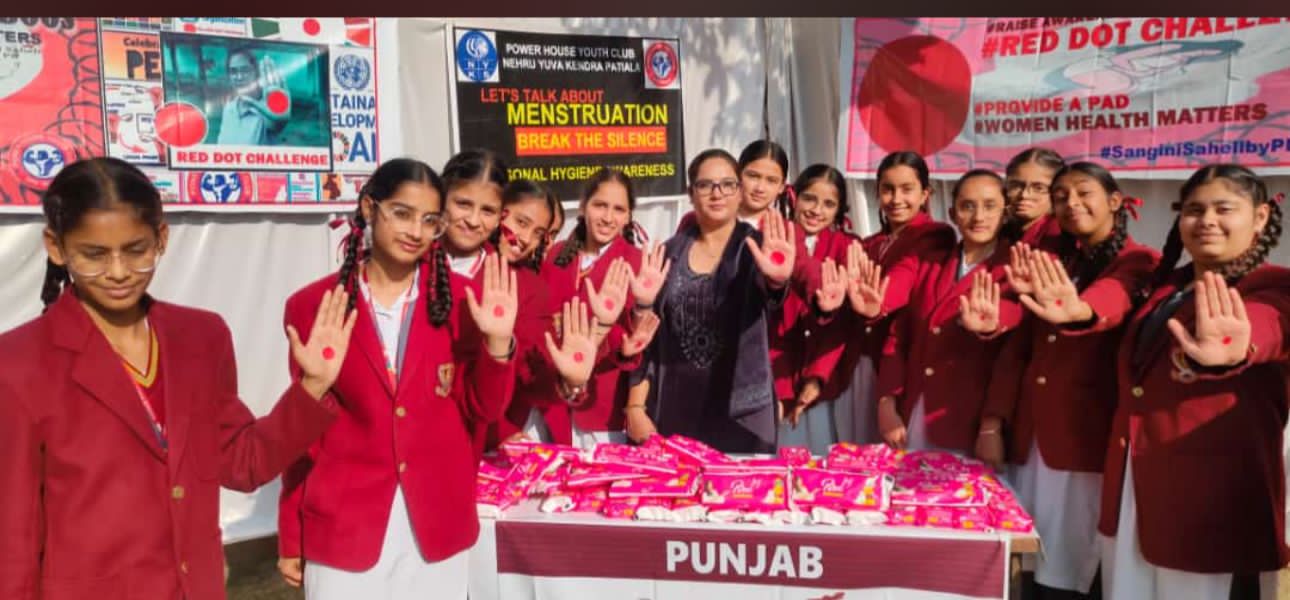
- Menstrual Health Awareness workshops, pad distribution drives, and reproductive health sessions conducted across schools, villages, and slum communities. Over 22 lakh sanitary pads distributed through outreach programs across multiple states.
- Financial and Digital Literacy Participants receive practical training in savings, credit awareness, digital access, government scheme navigation, and SHG participation. The focus is on building long-term decision-making capacity, not one-time knowledge transfer.
- Legal and Social Awareness Community sessions covering legal rights, domestic violence awareness, workplace safety, and PoSH and POCSO sensitisation. Conducted through institutional collaborations and grassroots outreach networks.
- Women-led Community Initiatives Naari Shakti Awards recognise women leading change within their communities through livelihood work, education, and social participation. Laadli Utsav encourages open community conversations around the girl child, equal opportunity, and dignity.
Impact
- 22.35 lakh+ sanitary pads distributed across outreach programs.
- 670+ awareness programs conducted across 17 states.
- 500+ menstrual hygiene workshops completed.
- 5,000+ women trained through livelihood and skill initiatives.
- 350+ self-help groups formed and supported.
- 1,00,000+ outreach beneficiaries across health and awareness drives.
How the Model Works
Women are brought together through local groups and community workshops. Training is designed around regional needs and available opportunities.
Over time, participants move from learners to trainers, supporting other women in their communities with skills, knowledge, and peer networks. The model combines health access, livelihood training, awareness, and local leadership into one sustained structure rather than isolated interventions.
Support systems continue beyond individual programs. That is the intent.
Health and Outreach Initiatives
Shakti conducts regular community health programs in collaboration with institutions, volunteers, and local networks.
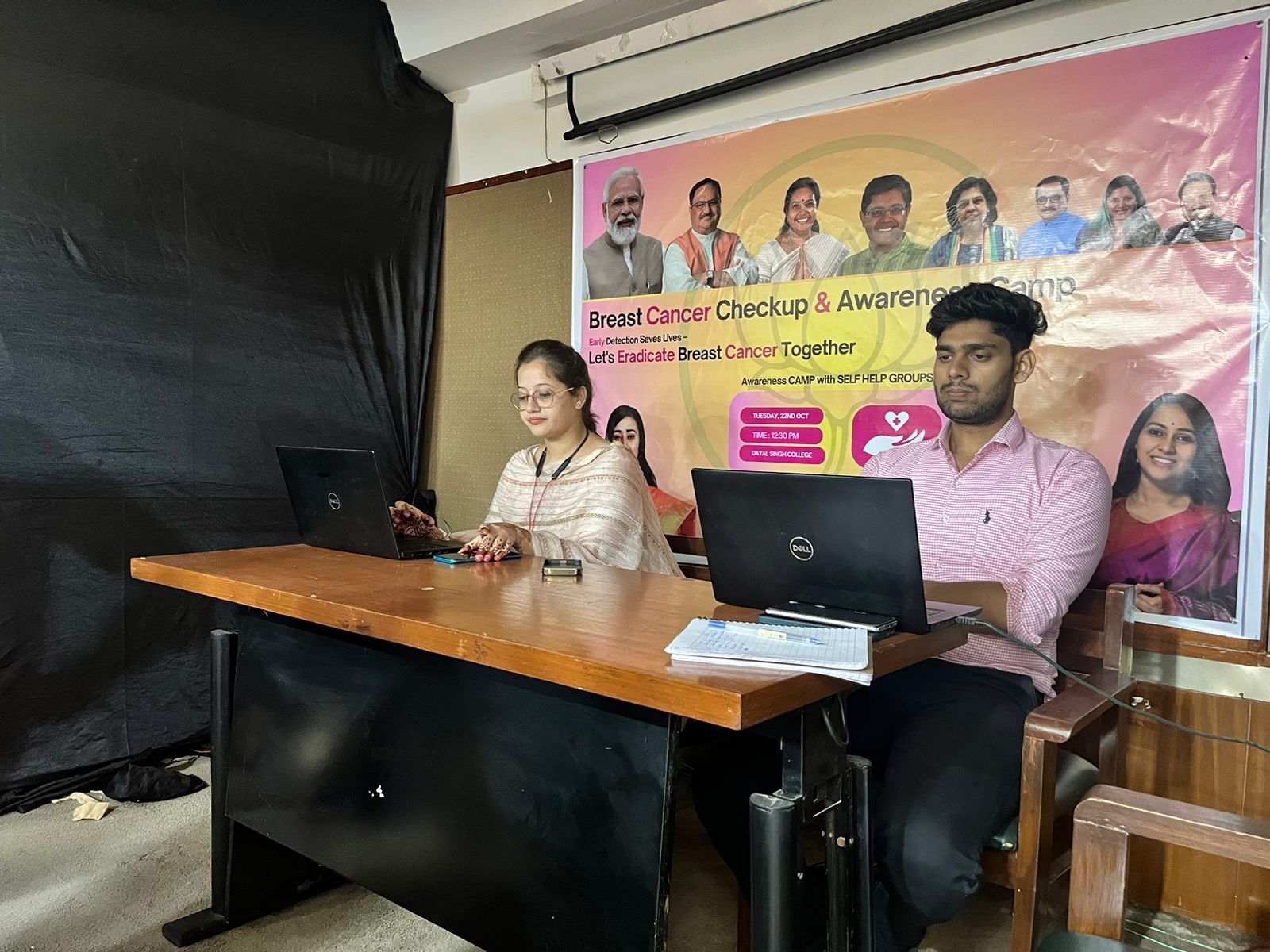
These include menstrual hygiene drives, health screening camps, nutrition sessions, breast cancer awareness programs, and outreach across schools and colleges. A large-scale breast cancer awareness camp at Dayal Singh College, Delhi, brought together women from self-help groups for screening and health education.
Outreach extends to remote communities where access to basic health information remains limited.
Closing
The Shakti Project continues to grow through community participation, women-led networks, and consistent field engagement across states.
When women have access to health information, practical skills, and functioning support systems, their capacity to lead within their own communities grows steadily. That is what this initiative is built around.
Donate us to achive our goal
We want to extend our heartfelt thanks for your generous contribution. Your support is instrumental in helping us continue our mission to uplift and empower our community. Together, we are making a significant difference in the lives of many